In the collective imagination, buying an American car directly in the United States remains synonymous with good value and authenticity.
The reality on the ground today is very different.
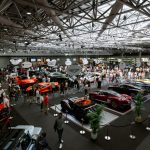
At FAST'NCLASSIC, we see every day, both in our workshop and at trade shows, how imports made without real oversight, through unscrupulous sellers or importers, lead to disillusionment that turns the American dream into a real nightmare.
This observation is not ideological. It is factual, technical, and economic.
Vehicles that are aesthetically appealing... but technically compromised
Imported cars are often presented in their best light: shiny paintwork, attractive upholstery, reassuring sales pitches.
The terms come up repeatedly: "sound car," "matching numbers," "recent restoration."
Once the vehicle has been dismantled and assessed, the reality becomes clear:
- Severely corroded chassis and structures,
- Weakened or concealed floors, often poorly welded and blackened
- Non-compliant bodywork repairs,
- Worn or unreliable mechanics,
- Electrical wiring modified without logic or safety considerations,
- Purely cosmetic restorations, designed for sale, not for use.
These are no longer isolated cases, but a recurring phenomenon in an overexploited market.
A double penalty for the buyer
Prolonged immobilization
Contrary to expectations, the vehicle is not usable.
It requires extensive, often costly repairs, involving significant delays and additional financial costs.
The result is always the same:
👉 months, sometimes years without being able to ride.
Real cost explosion
When we add up:
- The reworking of poorly executed work,
- Structural repairs,
- Mechanical and safety upgrades,
The final cost price very often exceeds twice the initial purchase price.
What seemed like an opportunity turns out to be a strategic mistake.
A distant market, with no lasting responsibility and no recourse once you cross a border
We hear the same stories everywhere:
"If I had known..."
"I was assured that she was healthy..."
"The photos didn't reveal anything..."
The way it works is simple: sell remotely, quickly, without ever seeing the customer again.
The lack of proximity removes any notion of long-term responsibility.
It is important to understand one reality of the American market: American sellers have no economic interest in exporting their finest classic cars to Europe.
Healthy models with matching numbers and in very good condition sell faster and at higher prices directly on the American market, where demand is much stronger.
Vehicles intended for export are often those that cannot be sold locally: history of accidents, Carfax salvage, major impacts, hidden corrosion, or structural problems.
Imported into Europe, these cars become a double penalty for the buyer: a misleading purchase price and years of unexpected repairs.
An old American car is not a gamble
A classic car is neither an impulse purchase nor a promise of thousands of miles.
It is a passion that requires:
- Transparency,
- Technical expertise,
- And a long-term vision.
Our approach at FAST’NCLASSIC
At FAST’NCLASSIC, we have made a clear choice:
to prioritize expertise, traceability, transparency, and support.
Each car is selected, inspected, and monitored with the same high standards as if it were intended for our own use.
Our vehicles:
- Are already in France,
- Visible and controllable in our garage,
- Rigorously appraised,
- Registered in the French classic car registry,
- And sold with a warranty.
Yes, their price may seem higher at first glance.
But it reflects a controlled reality, with no surprises later on.
👉 No hidden construction work.
👉 No endless downtime.
👉 No budget overruns.
Above all, our commitment does not end with the sale.
We support our customers over the long term, with the same high standards that we apply to our own vehicles.
True luxury today is not about buying far away.
It's about buying the right thing, with full knowledge of the facts.
Here, cars run, excuses stay with the importers. Because a classic car is not an impulse purchase, but a mechanical heirloom that deserves expertise, responsibility, and a professional who will still be there tomorrow.